Broadband ads in Hong Kong are full of acronyms — FTTH, FTTB, symmetric, 10G PON — and prices that change depending on where you look. None of it is complicated once you know what each term covers. This guide decodes the four things every plan really comes down to, so you can compare like-for-like instead of being dazzled by the biggest number.
1. The access technology: FTTH vs FTTB vs 5G
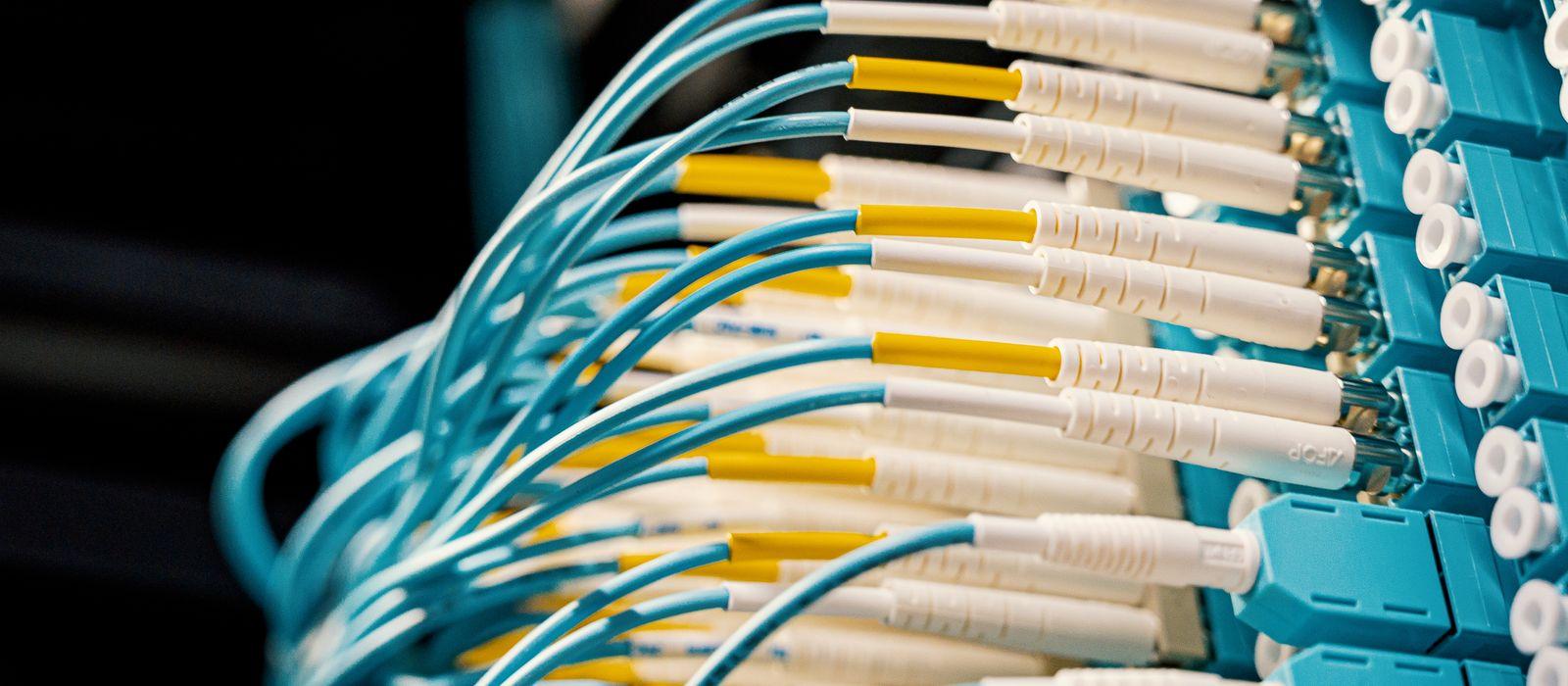
- FTTH (Fibre to the Home): fibre runs all the way into your flat — the most consistent, and what enables 2500M/10G tiers.
- FTTB (Fibre to the Building): fibre reaches the building, then the last stretch to your flat uses existing in-building wiring (copper/LAN) — usually cheaper and faster to set up, sometimes lower top speed.
- 5G fixed-wireless: no cable at all — a router connects over the mobile 5G network. No install, fully portable.
2. Speed — and whether it is symmetric
A "1000M" plan means up to 1000 Mbps. The number you should also check is whether it is symmetric — the same speed for download and upload. Most HK fibre is symmetric (e.g. 1000M down / 1000M up), which matters for video calls, cloud backups and uploading large files. Asymmetric plans (fast download, slower upload) are common on 5G and on some entry tiers; fine for streaming, less so for heavy uploaders.
3. Contract length and what happens after
Most plans lock you in for 24 or 36 months, sometimes 12. The headline price is usually the promotional rate — often after a few free months — and it can step up to a higher "standard" price once the promo or the contract ends. Always ask three things: the ongoing monthly fee after any free months, the total contract length, and the early-termination fee if you leave early.
4. The price has several versions
- Online-registration price: the self-serve number on the website — a reliable anchor, and what DealSifu lists.
- Counter / roadshow price: negotiated in person, often with extras (free months, vouchers, waived install).
- Public (公屋) vs private (私樓) price: many providers quote a lower rate for public-housing estates.
- Renewal / loyalty price: what you pay after the first contract — usually higher unless you renegotiate.
Frequently asked questions
What is the difference between FTTH and FTTB?
FTTH runs fibre all the way into your flat for the most consistent speed and the highest tiers (2500M/10G). FTTB brings fibre to the building and uses existing in-building wiring for the last stretch — usually cheaper and quicker to install, sometimes with a lower top speed.
Why does my plan get more expensive after a year or two?
The headline price is a promotional rate tied to your contract. When the promo or contract period ends, it reverts to the standard price. You usually have to contact the provider near contract end to renegotiate a new promotional rate.
Does symmetric speed matter for a normal household?
For pure streaming and browsing, download speed is what you notice. Symmetric (equal upload) matters if you do frequent video calls, cloud backups, large uploads, or run a home server — situations where a fast upload makes a real difference.