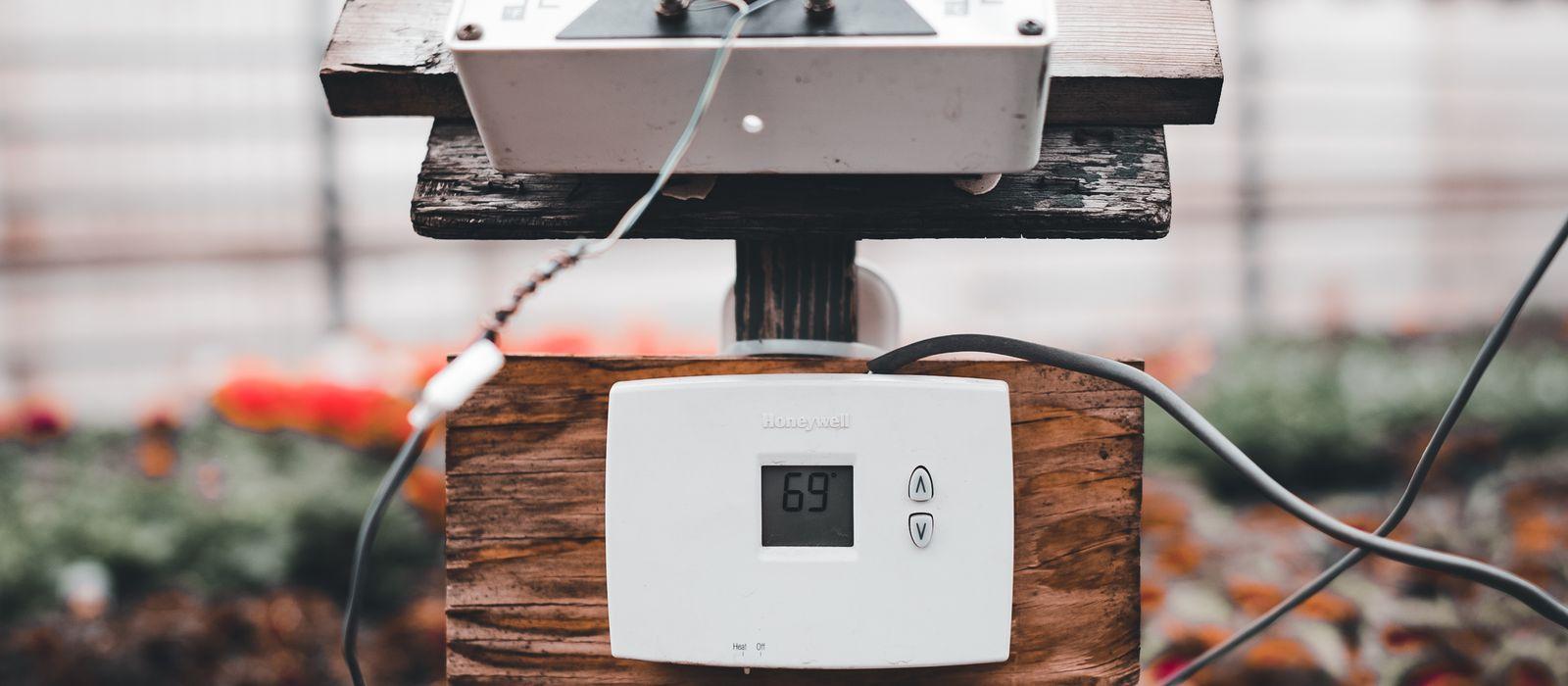
Hong Kong is humid. Average relative humidity sits above 75% for much of the year and regularly hits 90%+ in spring, when condensation forms on cold surfaces and mould takes hold within days. For most stored goods this is a nuisance; for some — wine, paper documents, leather, electronics, photographs, art, musical instruments — it is destructive. Climate-controlled mini storage exists to keep temperature and humidity in a stated range, instead of leaving your goods to ride the weather.
The term 'climate controlled' is a provider claim, not a regulated standard. DealSifu surfaces it as a facility feature when a provider states it, but we do not verify the actual temperature or humidity range ourselves. Before paying for climate control, ask the operator for the specific range they maintain and how it is monitored, and visit the unit with a hygrometer if you are storing high-value or irreplaceable items.
What climate control actually means
Climate control has two components. Temperature control keeps the unit within a stated range — commonly around 18–25°C — using air conditioning or heating. Humidity control keeps relative humidity in a stated range — commonly around 50–60% — using dehumidifiers. A unit that only has air conditioning is not the same as one with active humidity control: air-con cools but does not reliably dehumidify, and a unit that is cool but damp will still grow mould.
When a provider says 'climate controlled', ask which of the two they mean. The better operators will state both a temperature range and a humidity range, and explain how they monitor and log them. If they can only say 'air-conditioned', that is temperature control, not full climate control — fine for some items, insufficient for others.
Which items need climate control
The table below groups common stored items by whether climate control is worth paying for. The rule of thumb: anything that mould, heat, or humidity can damage irreversibly needs it; anything that survives a Hong Kong summer in a normal flat probably does not.
| Item type | Needs climate control? | Why |
|---|---|---|
| Wine | Yes | Heat spoils wine; humidity corks dry out or grow mould. Needs a tight temp + humidity range. |
| Paper documents, books, photos | Yes | Mould and humidity warp, stain and destroy paper irreversibly. |
| Leather goods, bags, jackets | Yes | Leather cracks when too dry, moulds when too damp; humidity control is essential. |
| Electronics, cameras, lenses | Yes | Humidity causes corrosion and short circuits; condensation can ruin lenses and sensors. |
| Art, paintings, framed works | Yes | Canvas, paper and pigments are all humidity-sensitive; mould and warping are common. |
| Musical instruments (wood) | Yes | Wood expands and contracts with humidity, cracking joints and detuning; needs tight humidity. |
| General household boxes | Usually no | Clothing, kitchenware and toys in sealed boxes survive a normal unit if boxed dry. |
| Furniture (non-upholstered) | Usually no | Wood furniture may warp in extreme humidity but generally tolerates a normal unit. |
| Seasonal clothing, luggage | No | Standard storage is fine; just ensure items are dry and clean before boxing. |
The table is a guide, not a guarantee. Leather and electronics sit on the boundary — a leather bag in a sealed box with silica gel may survive a normal unit, but a valuable bag or a camera body is safer in climate control. Wine, paper and wooden instruments are non-negotiable: the damage is irreversible and the cost of climate control is trivial next to the cost of replacement.
The Hong Kong humidity context
Hong Kong's spring '回南天' brings warm, saturated air from the south that condenses on any surface cooler than the air — walls, floors, and stored goods. Relative humidity indoors can exceed 90% for days, and visible mould can appear within 48–72 hours on leather, paper and untreated wood. This is not a theoretical risk: it is a reliable annual event, and it is the single strongest argument for climate control when storing humidity-sensitive goods.
Even in a normal mini-storage unit, you can reduce risk by packing goods dry, using silica gel or desiccants in sealed boxes, elevating items off the floor, and avoiding direct contact with exterior walls. But these are mitigations, not substitutes for active humidity control — and for wine, documents, instruments and art, they are not enough.
Climate control usually costs more
Climate-controlled units typically command a premium over standard units at the same facility — sometimes 20–40% higher per square foot, and sometimes available only in specific sizes or branches. The premium reflects the cost of running air-con, dehumidifiers and monitoring around the clock. Before paying it, confirm the operator actually maintains a stated range: some units labelled 'climate controlled' have air-con on a timer but no active dehumidification, which is not the same thing.
Wine storage: a special case
Wine is the item most often cited for climate control, and for good reason. Wine spoils above roughly 25°C and corks dry out below about 50% relative humidity, while mould grows on corks above 70%. The safe range is narrow — typically around 13–18°C and 60–70% humidity — and it must be stable, because temperature swings cause the wine to expand and contract, pushing the cork. Specialist wine storage maintains these ranges precisely; general climate-controlled mini storage may not. If you are storing wine, ask specifically for the temperature and humidity ranges and whether the unit is dedicated to wine.
For more on sizing a unit for wine boxes or any other specific use, see our mini-storage size guide; for how climate-control premiums fit into the full cost, see our costs and fees guide.
Filter facilities by climate control →Frequently asked questions
Do I need climate control for furniture?
Usually not. Non-upholstered wood, metal and plastic furniture tolerates a normal mini-storage unit fine, provided it is clean and dry before storage. Upholstered or antique furniture is more humidity-sensitive and may benefit from climate control, especially over a Hong Kong spring. If the furniture is valuable or irreplaceable, climate control is the safer choice; if it is everyday furniture, standard storage is usually sufficient.
Is climate-controlled storage worth it?
It is worth it when you store wine, paper documents, leather, electronics, art or musical instruments — items that mould, heat or humidity can damage irreversibly. For general household boxes, seasonal clothing and non-valuable furniture, the premium is usually not justified. Compare the cost of climate control against the replacement cost of the items: if the items are cheap to replace, standard storage is fine; if they are valuable or irreplaceable, climate control pays for itself the first time it prevents damage.
Can I store wine in regular mini storage?
Not safely. Wine spoils above roughly 25°C, corks dry out below about 50% relative humidity, and mould grows on corks above 70%. The safe range is narrow and must be stable, which a normal unit cannot guarantee. Use specialist wine storage or a climate-controlled unit that can state a temperature around 13–18°C and humidity around 60–70%, and confirm the range is monitored rather than just advertised.
What temperature and humidity should climate-controlled storage maintain?
There is no single standard, but a common range is around 18–25°C temperature and 50–60% relative humidity for general climate control. Wine requires a narrower, specialist range of about 13–18°C and 60–70% humidity. Always ask the operator for their specific stated range and how it is monitored, because 'climate controlled' is a provider claim, not a regulated standard.