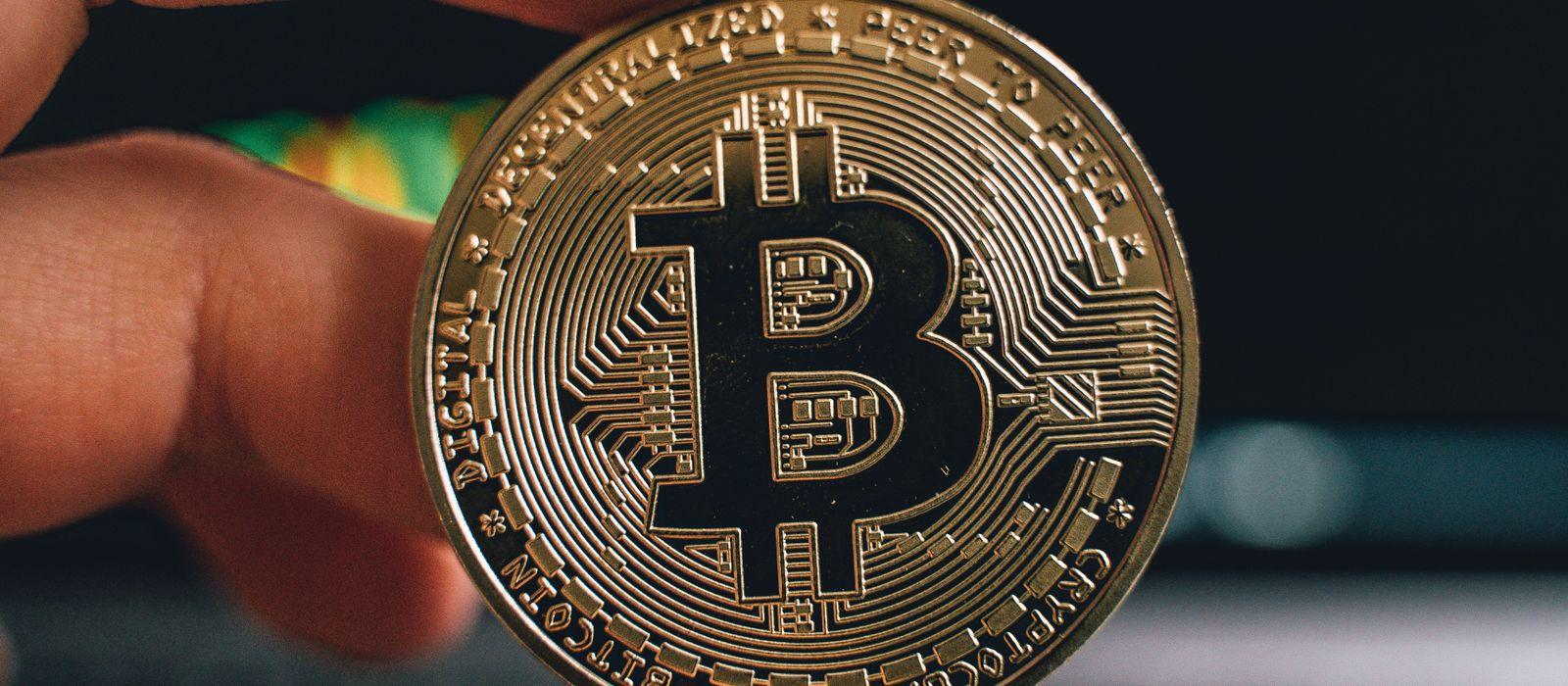
Since Hong Kong opened regulated crypto trading to retail investors, you no longer have to use an offshore exchange to buy Bitcoin or Ethereum with Hong Kong dollars. The Securities and Futures Commission (SFC) licenses virtual asset trading platforms (VATPs), and a handful of licensed brokers now offer crypto too. This guide explains the difference, what onboarding actually requires, and how to compare the platforms honestly.
Licensed exchange vs licensed broker
There are two ways a Hong Kong retail investor can buy crypto legally. The first is a directly SFC-licensed VATP — HashKey Exchange and OSL are the two with the broadest retail product. The second is a licensed broker (Futu, Tiger Brokers, Interactive Brokers) that lets you buy crypto from inside your existing stock-trading account; the broker does not hold a VATP licence itself but routes your order through a licensed platform. Brokers are convenient and often cheaper, but list far fewer coins and you do not hold the assets on a dedicated crypto exchange.
| Platform | Type | Best for |
|---|---|---|
| HashKey Exchange | Licensed VATP | Most retail coins + HKD/FPS + staking |
| OSL Exchange | Licensed VATP | Lowest fees (0%/0.05%) + ~US$1bn insurance |
| Futu (futubull) | Broker (via VATP) | Zero-commission BTC/ETH if you already use Futu |
| Tiger Brokers | Broker (via VATP) | More coins (~20) inside a broker app |
Fees: maker, taker, and what you actually pay
Crypto trading fees are quoted as a maker fee (you add liquidity with a limit order) and a taker fee (you remove liquidity with a market order). Most retail buys are taker orders, so the taker fee is the number that matters — that is what DealSifu sorts by. OSL is currently the cheapest licensed exchange at 0% maker / 0.05% taker; HashKey is 0.29% per side at the standard tier but drops sharply with volume or its HSK token. Brokers vary: Futu runs zero-commission promotions while Tiger and IBKR sit around 0.2%.
Funding: HKD deposits and FPS
A big advantage of a licensed HK platform is funding in Hong Kong dollars without an offshore wire. HashKey, OSL and the brokers all accept HKD, and most support FPS (Faster Payment System) or eDDA for near-instant deposits straight from your HK bank. Note that licensed exchanges typically require a first deposit of around HK$10,000 to meet onboarding rules, whereas a broker like Futu lets you start from as little as HK$80.
Account opening: HKID and proof of address
Every licensed platform runs full KYC. Expect to provide a Hong Kong identity card (HashKey, for example, requires a permanent HKID), a selfie/liveness check, and proof of residential address — typically a bank statement or utility bill issued within the last three months. You will also complete a short risk-assessment questionnaire. Approval is usually same-day to a couple of business days. Because the rules are set by the SFC, the documents are broadly similar across platforms.
Frequently asked questions
Is it legal to buy crypto in Hong Kong?
Yes. Hong Kong retail investors can buy crypto on SFC-licensed virtual asset trading platforms (VATPs) such as HashKey and OSL, or through licensed brokers that route orders to a licensed platform. Using an SFC-licensed platform is the regulated, intended route for HK retail investors.
Which licensed platform has the lowest fees?
Among licensed exchanges, OSL currently has the lowest standard trading fees at 0% maker and 0.05% taker. Brokers can be cheaper still — Futu has run zero-commission crypto promotions — but list far fewer coins. Compare the live taker fees on the DealSifu crypto page.
What is the difference between a licensed exchange and a broker?
A licensed exchange (VATP) holds its own SFC licence, custodies your crypto and lists more coins. A broker such as Futu or Tiger does not hold a VATP licence itself — it lets you buy crypto from inside your stock account by routing the order through a licensed VATP. Brokers are simpler and often cheaper but offer fewer tokens.